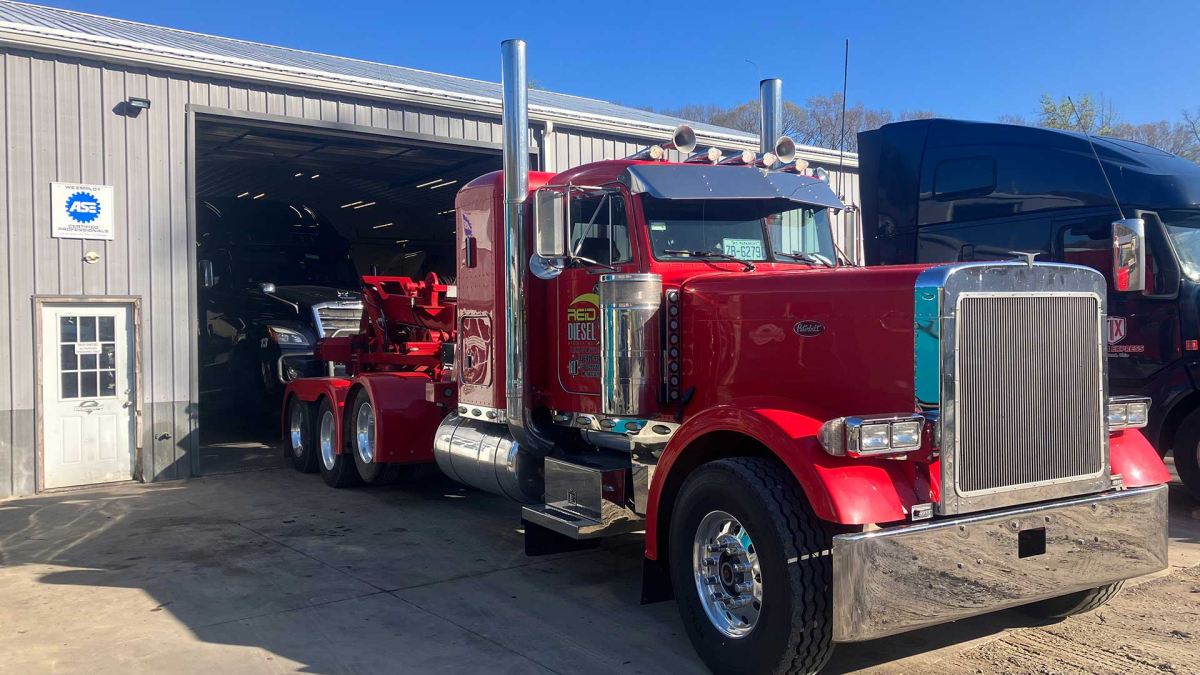
Broken down between Elkin and Jonesville? We're centrally positioned for 15-20 minute response.
Mile markers 50-65 on I-77 represent the strategic midpoint of the North Carolina corridor, encompassing the Elkin-Jonesville section that serves as a critical transition zone between the heavy traffic of Statesville and the challenging mountain grades approaching Virginia. Reid Diesel's location at Exit 270 provides optimal response to this mid-corridor section, with our fastest response times of 15-20 minutes to most locations within this zone.
This section of I-77 presents unique breakdown patterns as trucks transition from flat Piedmont driving to increasingly challenging terrain. Rolling hills begin to stress cooling systems, brake systems face increased demands, and drivers often experience the first signs of problems that will become critical in the more challenging mountain sections ahead.
Understanding the Mile Markers 50-65 Corridor Section
The Elkin-Jonesville section represents a critical transition zone where operational demands begin to increase as terrain becomes more challenging, creating specific breakdown patterns that require understanding for effective emergency response.
Geographic and Terrain Characteristics
Mile markers 50-65 mark the beginning of significant terrain changes that affect commercial vehicle operation:
Terrain Transition Patterns:
- Rolling hill introduction - first significant grade variations after relatively flat southern corridor
- Elevation gain patterns - steady elevation increase creating sustained engine load
- Curve and grade combinations - terrain features requiring increased driver attention and vehicle control
- Bridge and overpass sections - infrastructure creating wind patterns and grade variations
- Rural character development - decreasing population density and service availability
Operational Challenge Development:
- Cooling system stress beginning - first sustained loads that challenge cooling capacity
- Brake system demand increases - grade variations requiring more frequent brake application
- Transmission load patterns - shifting demands increase as terrain becomes more demanding
- Driver fatigue factors - increased concentration requirements as terrain complexity grows
Traffic Patterns and Commercial Vehicle Usage
The mid-corridor section serves specific commercial vehicle patterns:
Commercial Traffic Characteristics:
- Route assessment location - drivers evaluate vehicle and load condition before mountain sections
- Fuel and service planning - last convenient services before more challenging terrain
- Load adjustment area - final opportunity to address load securement before mountain driving
- Communication zone - cell coverage reliability for fleet communication and route planning
Breakdown Pattern Development:
- Developing problem identification - issues that started in easier terrain become apparent
- System stress testing - components begin showing stress from increasing demands
- Preventive stopping - drivers pull over when systems begin showing warning signs
- Decision point breakdowns - equipment fails as drivers assess readiness for mountain sections
Reid Diesel's Optimal Mid-Corridor Response
Our strategic positioning provides exceptional response capabilities to the mile markers 50-65 section, with response times and service capabilities specifically suited to mid-corridor breakdown patterns.
Response Time Advantages
Reid Diesel's location provides optimal access to the entire mile markers 50-65 section:
Specific Response Times:
- Mile markers 50-55 (Elkin area): 15-18 minutes average response
- Mile markers 55-60 (central section): 12-15 minutes average response
- Mile markers 60-65 (Jonesville area): 15-20 minutes average response
- Exit access points: Direct highway access minimizing local traffic delays
- Rural road connectivity: Knowledge of alternative access routes for efficient response
Service Delivery Advantages:
- Fastest response times in entire Reid Diesel service area due to central positioning
- Multiple access route options reducing response delays during traffic or construction
- Local area familiarity from years of serving this section regularly
- Weather condition adaptation understanding local weather patterns affecting response
Mid-Corridor Service Specialization
Our service approach addresses the specific types of problems common to the mile markers 50-65 section:
Transition Zone Expertise:
- Developing problem diagnosis - identifying issues before they become critical in mountain sections
- System capacity assessment - evaluating whether trucks can safely continue to mountain terrain
- Preventive intervention - addressing warning signs before they become major failures
- Mountain preparation service - ensuring trucks are ready for more demanding terrain ahead
Equipment Positioning for Mid-Corridor Service:
- Cooling system diagnostic equipment - for overheating problems beginning in rolling terrain
- Brake system service tools - addressing brake problems before they become dangerous in mountains
- Electrical diagnostic capabilities - troubleshooting sensor and control system issues
- Preventive maintenance supplies - fluids, filters, and components for system optimization
Common Mile Markers 50-65 Breakdown Scenarios
The transition nature of this corridor section creates specific breakdown patterns that require understanding for effective response and repair.
Rolling Terrain System Stress
The introduction of sustained grades creates new stresses on truck systems:
Cooling System Challenges:
- First sustained load testing - cooling systems experience extended high-load operation
- Temperature management problems - systems adequate for flat driving may struggle with grades
- Coolant circulation issues - increased demands revealing marginal water pump or thermostat problems
- Radiator capacity limitations - airflow restrictions or internal blockages becoming apparent
- Fan system stress - cooling fans operating at higher duty cycles revealing electrical or mechanical problems
Engine Performance Issues:
- Power loss on grades - turbocharger or fuel system problems becoming noticeable under load
- Temperature-related protection - engine management systems reducing power to prevent damage
- Emission system stress - DPF and SCR systems affected by increased exhaust temperatures
- Oil pressure variations - marginal oil pumps or pressure sensors showing problems under load
Brake System Stress Patterns
Increased grade variations place new demands on brake systems:
Brake System Developments:
- Increased application frequency - more brake use revealing adjustment and component problems
- Heat generation increases - brake systems generating more heat from grade control
- Air system demand growth - increased brake usage stressing air compressor and system capacity
- Adjustment requirements - rolling terrain accelerating normal brake wear and adjustment needs
Transmission and Drivetrain Stress
Grade variations create new demands on drivetrain systems:
Drivetrain System Challenges:
- Shifting pattern changes - automated transmissions adjusting to grade demands
- Clutch system stress - manual transmissions experiencing increased clutch usage
- Differential loading - drive axles experiencing new load patterns from grade variations
- Driveline stress - universal joints and drive shafts handling increased torque loads
Our emergency roadside repair service provides comprehensive capabilities for all mid-corridor breakdown scenarios.
Preventive Service Opportunities in Mid-Corridor
The mile markers 50-65 section provides an ideal opportunity for preventive assessment and service before more demanding mountain terrain.
System Assessment Services
Mid-corridor location provides opportunity for comprehensive system evaluation:
Preventive Assessment Opportunities:
- Cooling system evaluation - testing system capacity before mountain demands
- Brake system inspection - adjusting and inspecting brakes before mountain grades
- Fluid level verification - ensuring adequate fluid levels for demanding terrain
- Belt and hose inspection - identifying marginal components before high-stress operation
- Electrical system testing - verifying charging and starting system capacity
Mountain Preparation Services
Mid-corridor service can prepare trucks for challenging terrain ahead:
Preparation Service Benefits:
- System optimization - ensuring all systems operate at peak efficiency for mountain demands
- Component replacement - replacing marginal components before they fail in challenging conditions
- Fluid improvements - coolant concentration and oil condition optimization for demanding operation
- Performance verification - confirming all systems ready for sustained high-load operation
Our specialized services include comprehensive mountain preparation programs designed to prevent breakdowns in challenging terrain.
Strategic Service Positioning for Mid-Corridor Operations
The mile markers 50-65 section's central location makes it strategically important for both emergency response and fleet operational planning.
Fleet Route Planning Considerations
Mid-corridor positioning affects fleet operational decisions:
Operational Planning Factors:
- Service availability assessment - evaluating truck condition before mountain sections
- Driver rest and assessment - opportunity for driver evaluation before challenging terrain
- Load and cargo verification - final check of load security before mountain driving
- Weather evaluation - last opportunity to assess weather conditions for mountain travel
- Alternative routing decisions - final decision point for route alternatives
Emergency Response Coordination
Mid-corridor emergencies require specific coordination approaches:
Response Coordination Elements:
- Rapid deployment capability - fastest response times in entire service area
- Mountain readiness assessment - determining if repairs enable safe mountain travel
- Alternative transportation coordination - when repairs prevent mountain travel capability
- Fleet communication support - coordinating with dispatchers about continued operations
- Weather condition coordination - factoring current and forecast mountain weather
Rural Area Service Considerations
The mile markers 50-65 section's rural character creates specific service delivery considerations.
Rural Emergency Response Challenges
Rural areas present unique emergency service challenges:
Rural Service Factors:
- Limited local infrastructure - fewer parts suppliers and alternative service options
- Communication challenges - variable cell coverage requiring alternative communication methods
- Extended service times - rural locations may require longer service completion times
- Parts delivery coordination - ensuring needed components reach rural breakdown locations
- Recovery complexity - rural locations may complicate towing and recovery when needed
Rural Service Advantages
Rural locations also provide certain service advantages:
Rural Service Benefits:
- Safer working conditions - lower traffic volume creating safer repair environments
- Extended work space - more room for equipment setup and safe vehicle positioning
- Less time pressure - reduced traffic impact allowing more thorough service delivery
- Weather protection opportunities - rural areas may provide better shelter during adverse weather
Emergency Response Procedures for Mile Markers 50-65
Effective emergency response to mid-corridor breakdowns requires procedures adapted to the specific characteristics of this section.
Location Identification and Communication
Mid-corridor emergency response begins with accurate location identification:
Location Identification Procedures:
- Mile marker verification - confirming exact location within mile markers 50-65 range
- Exit number reference - identifying nearest exit for response planning
- Landmark identification - using visible landmarks for precise location confirmation
- GPS coordinate sharing - providing exact coordinates when mile markers aren't visible
Response Resource Deployment
Mid-corridor response involves optimal resource deployment:
Resource Deployment Strategy:
- Primary response unit - mobile service truck with comprehensive diagnostic and repair capabilities
- Parts supply coordination - ensuring needed components available for common mid-corridor problems
- Secondary resource planning - backup equipment and personnel for complex situations
- Recovery planning - towing and recovery coordination when roadside repair isn't sufficient
For immediate mid-corridor emergency response, contact Reid Diesel at (336) 468-2323. Our central positioning provides optimal response throughout the mile markers 50-65 section.
Frequently Asked Questions
Why do you have faster response times to mile markers 50-65?
This section represents our optimal response area due to our central positioning at Exit 270. We can reach most locations in this range within 15-20 minutes, making it our fastest response zone throughout the entire I-77 corridor.
What types of problems are most common in the Elkin-Jonesville section?
Rolling terrain in this section commonly reveals cooling system problems, brake adjustment issues, and transmission stress that may not be apparent in flatter driving conditions. We see many developing problems that need attention before mountain sections.
Can you help assess if my truck is ready for mountain driving after repairs?
Yes, our technicians understand the demands of mountain terrain and can evaluate whether repairs and system condition are adequate for safe mountain operation. We provide honest assessments about continued travel capabilities.
Do you provide service in rural areas between major exits?
Yes, we provide emergency service throughout rural areas in the mile markers 50-65 section. Rural locations often provide safer working conditions and allow more thorough service delivery.
How does the rolling terrain in this section affect breakdown patterns?
Rolling terrain creates the first significant stress on cooling, brake, and transmission systems after relatively flat southern corridor driving. Many problems become apparent here that started developing during easier driving conditions.
What should I do if my truck develops problems in this section?
Call (336) 468-2323 immediately for our fastest response times. The mile markers 50-65 section is our optimal response area, and we can typically reach you within 15-20 minutes with comprehensive diagnostic and repair capabilities.
Mile Markers 50-65 Emergency Contact
For breakdowns at I-77 mile markers 50-65 in the Elkin-Jonesville section, call Reid Diesel at (336) 468-2323. Our fastest response times with comprehensive mid-corridor emergency service.
Phone: (336) 468-2323Available: 24/7/365 with optimal mid-corridor responseLocation: Reid Diesel Enterprises, 967 Chambers Rd, North Wilkesboro, NC 28659