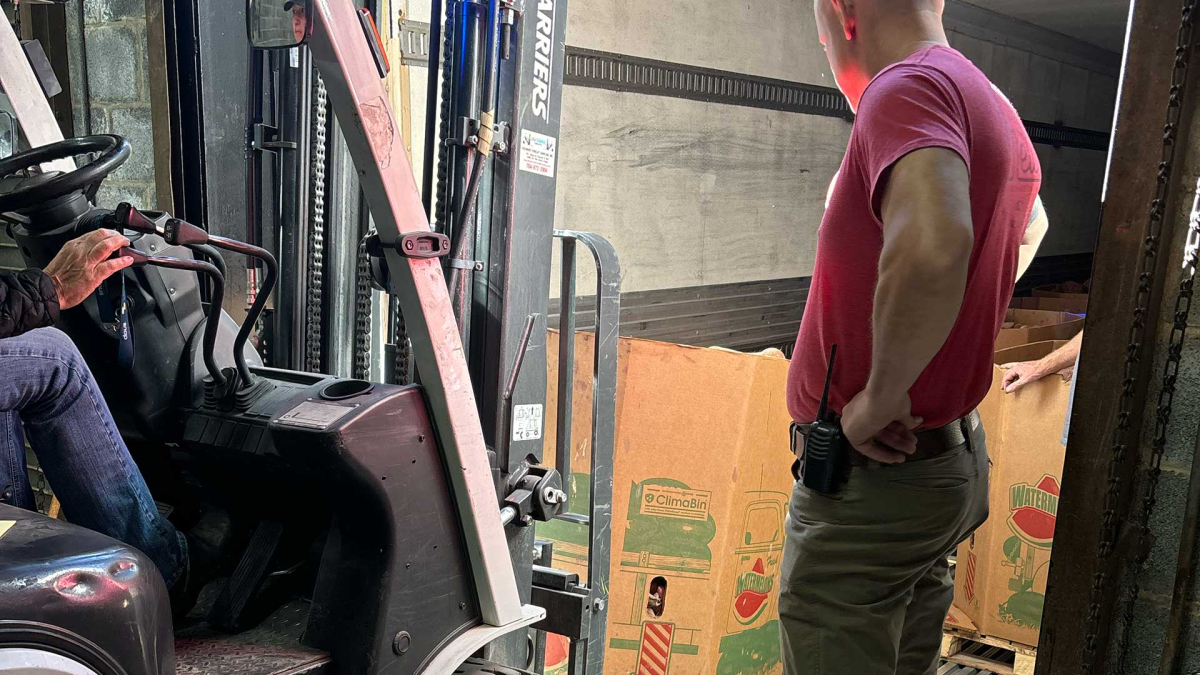
Cargo shifted during transport? We provide immediate load correction and re-securement service.
When cargo shifts during transport, it creates immediate safety hazards and potential DOT violations that require professional correction. Reid Diesel's mobile load shift correction service responds quickly throughout the I-77 corridor with the specialized equipment and expertise needed to safely rebalance loads, secure shifted cargo, and get you back in compliance for continued safe operation.
Load shift emergencies can't wait for delivery appointments or convenient service times. Our mobile cargo specialists carry load securement equipment, cargo handling tools, and the knowledge needed to address dangerous load conditions immediately, preventing accidents and regulatory violations.
What Causes Load Shift Emergencies
Cargo shifts create serious safety hazards that require immediate professional attention to prevent accidents and ensure DOT compliance.
Common Causes of Load Shifts
Load shifts occur from multiple factors during transport:
Route and Driving Factors:
- Sharp turns or curves - lateral forces causing cargo movement
- Sudden braking or acceleration - longitudinal forces shifting loads forward or backward
- Steep grade climbing or descent - gravity effects on inadequately secured cargo
- Rough road surfaces - vibration and impact loosening securement or shifting loads
- Weather conditions - wind forces affecting high-profile loads or inadequate weather protection
Loading and Securement Issues:
- Improper initial loading - unbalanced weight distribution from loading dock procedures
- Inadequate securement - insufficient straps, chains, or blocking for cargo weight and type
- Securement failure - broken straps, failed hardware, or inadequate securement points
- Cargo settling - gradual shifting as cargo settles during initial transport miles
- Mixed cargo problems - different cargo types with varying securement requirements
Immediate Safety Hazards
Shifted loads create multiple safety risks:
Vehicle Stability Issues:
- Center of gravity changes - shifted loads affecting vehicle handling and rollover risk
- Brake performance impact - unbalanced loads affecting stopping distance and control
- Steering difficulties - weight distribution changes affecting directional control
- Suspension stress - concentrated loads causing suspension component failure
Cargo and Equipment Damage:
- Cargo damage - products damaged by shifting against trailer walls or other cargo
- Trailer structural damage - excessive loads causing trailer frame or wall damage
- Securement equipment failure - hardware damage from excessive loads during shifting
- Secondary damage - shifted cargo causing additional problems during continued transport
Professional Load Shift Correction Services
Reid Diesel's mobile cargo specialists provide comprehensive load shift correction with proper equipment and proven techniques.
Mobile Load Correction Equipment
Our mobile units carry specialized equipment for load shift correction:
Cargo Handling Equipment:
- Heavy-duty come-alongs - repositioning shifted cargo safely
- Load bars and beams - creating temporary securement during load correction
- Cargo padding and protection - preventing damage during load adjustment
- Blocking and bracing materials - securing corrected loads in proper position
- Measurement and leveling tools - ensuring proper weight distribution after correction
Professional Securement Hardware:
- Heavy-duty ratchet straps - various ratings for different cargo types and weights
- Chain and binders - appropriate hardware for heavy or specialized cargo
- Edge protection materials - preventing strap and chain damage to cargo
- Securement point hardware - trailer mounting hardware for proper securement
- Load distribution equipment - spreader bars and load distribution materials
Load Assessment and Correction Procedures
Professional load correction follows systematic procedures:
Assessment Process:
- Safety evaluation - determining immediate hazards and correction priorities
- Load stability analysis - assessing current cargo position and trailer balance
- Securement inspection - evaluating existing securement equipment condition
- Correction planning - developing safe, effective approach to load correction
- Equipment selection - choosing appropriate tools and materials for specific situation
Correction Implementation:
- Safety zone establishment - creating safe work area away from traffic
- Load stabilization - securing cargo in current position before correction attempts
- Gradual repositioning - safely moving cargo back to proper position
- Professional re-securement - applying proper securement meeting DOT requirements
- Final inspection - verifying load security and vehicle balance before continued operation
DOT Compliance and Regulatory Requirements
Load shift correction must meet federal cargo securement regulations for continued legal operation.
Federal Cargo Securement Standards
DOT regulations specify minimum requirements for cargo securement:
General Securement Requirements:
- Working load limits - securement equipment rated for cargo weight and type
- Securement point requirements - proper attachment points and distribution
- Inspection requirements - regular securement inspection during transport
- Documentation standards - maintaining records of securement methods and inspection
- Driver responsibility - operator obligations for load securement and monitoring
Specific Cargo Type Requirements:
- General freight - standard securement patterns and hardware requirements
- Heavy machinery - specialized securement for construction and industrial equipment
- Steel and metal products - specific securement methods for metal cargo types
- Automobiles and vehicles - specialized securement for vehicle transport
- Logs and lumber - unique requirements for forestry products
Compliance Verification After Correction
Professional load correction includes DOT compliance verification:
Compliance Documentation:
- Securement method verification - ensuring correction meets federal standards
- Load distribution confirmation - verifying proper weight balance after correction
- Equipment rating verification - confirming securement hardware meets load requirements
- Inspection documentation - providing records of correction and compliance verification
Our emergency roadside repair service includes comprehensive cargo securement expertise for immediate load shift emergencies.
Specialized Cargo Load Correction
Different cargo types require specific load correction techniques and securement methods.
Heavy and Oversized Cargo
Heavy machinery and oversized loads present unique correction challenges:
Heavy Equipment Considerations:
- Specialized securement hardware - chains, binders, and blocking appropriate for equipment weight
- Load distribution requirements - proper weight distribution for trailer and axle limits
- Center of gravity management - positioning equipment for optimal stability
- Permit compliance - ensuring correction maintains oversize/overweight permit compliance
Hazardous Materials
Hazmat cargo requires special handling during load correction:
Hazmat Load Correction:
- Safety protocol compliance - following hazmat handling procedures during correction
- Spill prevention - preventing container damage or leakage during load adjustment
- Regulatory compliance - maintaining hazmat placarding and documentation requirements
- Emergency response - coordinating with appropriate authorities when hazmat is involved
Time-Sensitive Cargo
Refrigerated and perishable cargo requires rapid load correction:
Perishable Cargo Priorities:
- Temperature maintenance - minimizing temperature exposure during correction
- Rapid correction procedures - efficient load adjustment to reduce cargo exposure time
- Cold chain documentation - maintaining temperature records during load correction
- Alternative transportation - coordinating backup transportation if correction delays would compromise cargo
Our specialized services include expertise with all cargo types requiring professional load correction.
Emergency Load Shift Response
Load shift emergencies require immediate response due to safety risks and regulatory compliance requirements.
Immediate Response Protocol
When Load Shifts Occur:
- Stop immediately in safe location - don't continue operating with shifted cargo
- Assess immediate safety hazards - determine if vehicle operation is unsafe
- Call (336) 468-2323 immediately - professional load correction prevents accidents and violations
- Avoid attempting correction without proper equipment - improper correction attempts can worsen problems
- Document cargo condition - photos for insurance and regulatory purposes if needed
Professional Emergency Coordination
Our load shift response includes comprehensive emergency coordination:
Emergency Response Services:
- Rapid assessment - immediate evaluation of load condition and safety hazards
- Professional correction - safe, effective load repositioning and re-securement
- DOT compliance verification - ensuring correction meets federal securement requirements
- Documentation support - complete records for fleet management and regulatory compliance
- Alternative transportation coordination - backup arrangements if cargo can't be safely corrected
Load Shift Prevention Strategies
Proper loading and securement practices prevent most load shift emergencies.
Preventive Loading Practices
Working with shipping and receiving facilities to prevent load shifts:
Loading Dock Coordination:
- Proper weight distribution - ensuring balanced loading from initial placement
- Appropriate securement - applying proper securement methods before leaving dock
- Load planning - considering route characteristics during loading planning
- Equipment inspection - verifying securement equipment condition before loading
Driver Education and Training
Proper driving techniques reduce load shift risk:
Preventive Driving Practices:
- Smooth acceleration and deceleration - avoiding sudden forces that shift cargo
- Appropriate curve speeds - reducing lateral forces during turns and curves
- Grade management - proper speed control on hills to minimize longitudinal forces
- Regular inspection - checking load security during required rest stops
For immediate load shift correction service, contact Reid Diesel at (336) 468-2323. Our cargo specialists respond quickly throughout the I-77 corridor with professional load correction equipment.
Frequently Asked Questions
How quickly can you respond to a load shift emergency?
We typically respond within 30-45 minutes throughout the I-77 corridor. Load shift emergencies receive priority response due to the safety hazards they create.
Can you correct all types of shifted cargo?
We handle most common cargo types including general freight, machinery, and consumer goods. Specialized cargo like hazmat or extremely heavy loads may require additional coordination or equipment.
What if my load can't be safely corrected?
If cargo is damaged or shifted beyond safe correction, we can coordinate cargo transfer to alternative transportation or arrange for proper disposal and documentation of damaged goods.
Do you provide DOT compliance verification after load correction?
Yes, our load correction service includes verification that securement meets federal requirements. We provide documentation of compliance for regulatory purposes.
Can you help prevent future load shift problems?
We provide education on proper loading practices, securement methods, and driving techniques that reduce load shift risk. Prevention is always more cost-effective than emergency correction.
What should I do while waiting for load correction service?
Stay with your vehicle in a safe location, avoid attempting to correct the load yourself without proper equipment, and document the situation with photos for insurance purposes if appropriate.
Load Shift Correction Emergency Contact
When cargo shifts create safety hazards on I-77, call Reid Diesel at (336) 468-2323 for immediate load shift correction and professional cargo re-securement service.
Phone: (336) 468-2323Available: 24/7/365 with cargo securement specialistsLocation: Reid Diesel Enterprises, 967 Chambers Rd, North Wilkesboro, NC 28659